Top Rivers of Tamil Nadu You Should Know About — From Cauvery to Tamirabarani
4 mins read
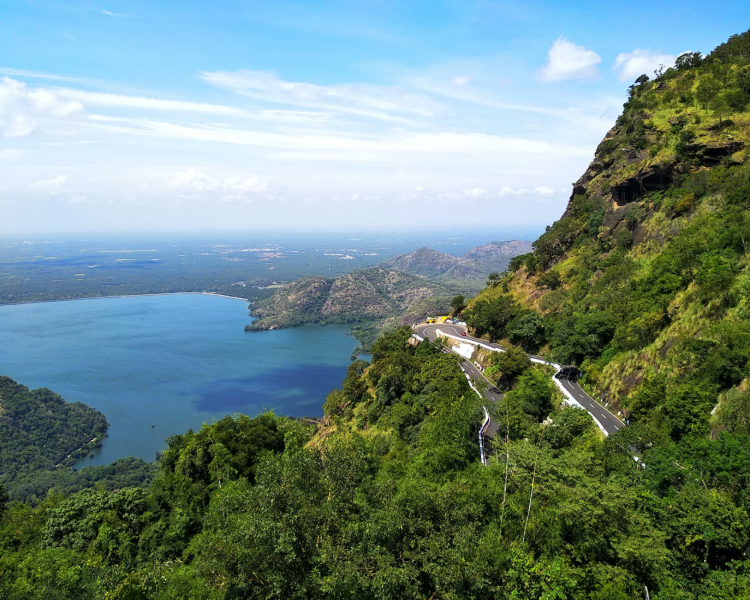
Tamil Nadu is a state in South India that is known for its rich culture, ancient temples, and fertile land. One of the biggest reasons for this fertility is the many rivers that flow through the state. These rivers have been the lifeline of Tamil Nadu for thousands of years, providing water for farming, drinking, and daily life. Let's take a look at some of the most important rivers of Tamil Nadu.
Cauvery River
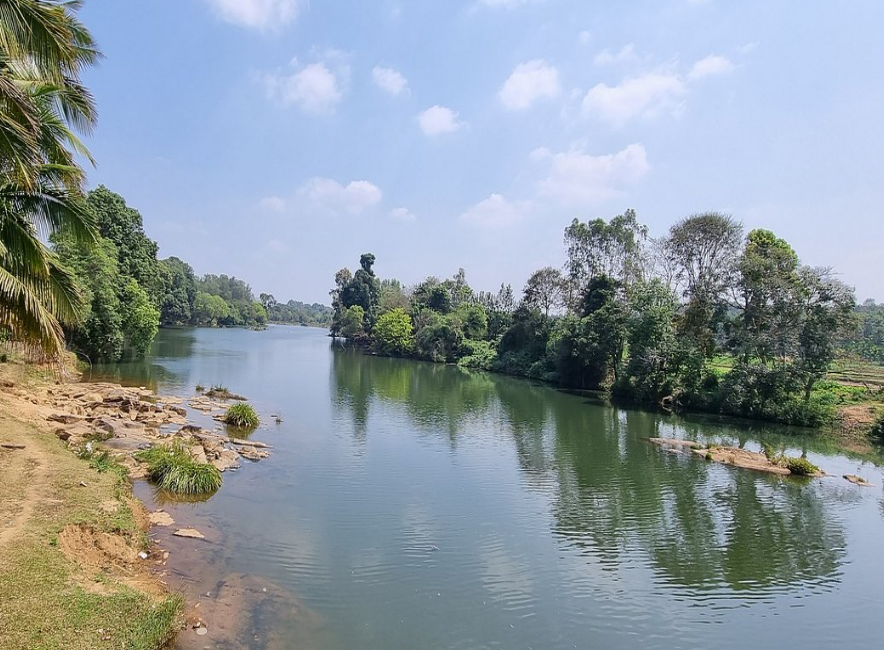
The Cauvery is the most important river in Tamil Nadu. It originates from the Brahmagiri Hills in Coorg, Karnataka, and flows through Tamil Nadu before reaching the Bay of Bengal. The river is also known as "Ponni" which means the golden one, and it truly lives up to that name.
The Cauvery delta region, which includes districts like Thanjavur, Kumbakonam, and Mayiladuthurai, is one of the most fertile agricultural areas in India. Paddy fields stretch as far as the eye can see, and farmers here have been growing rice for hundreds of generations thanks to the Cauvery's water.
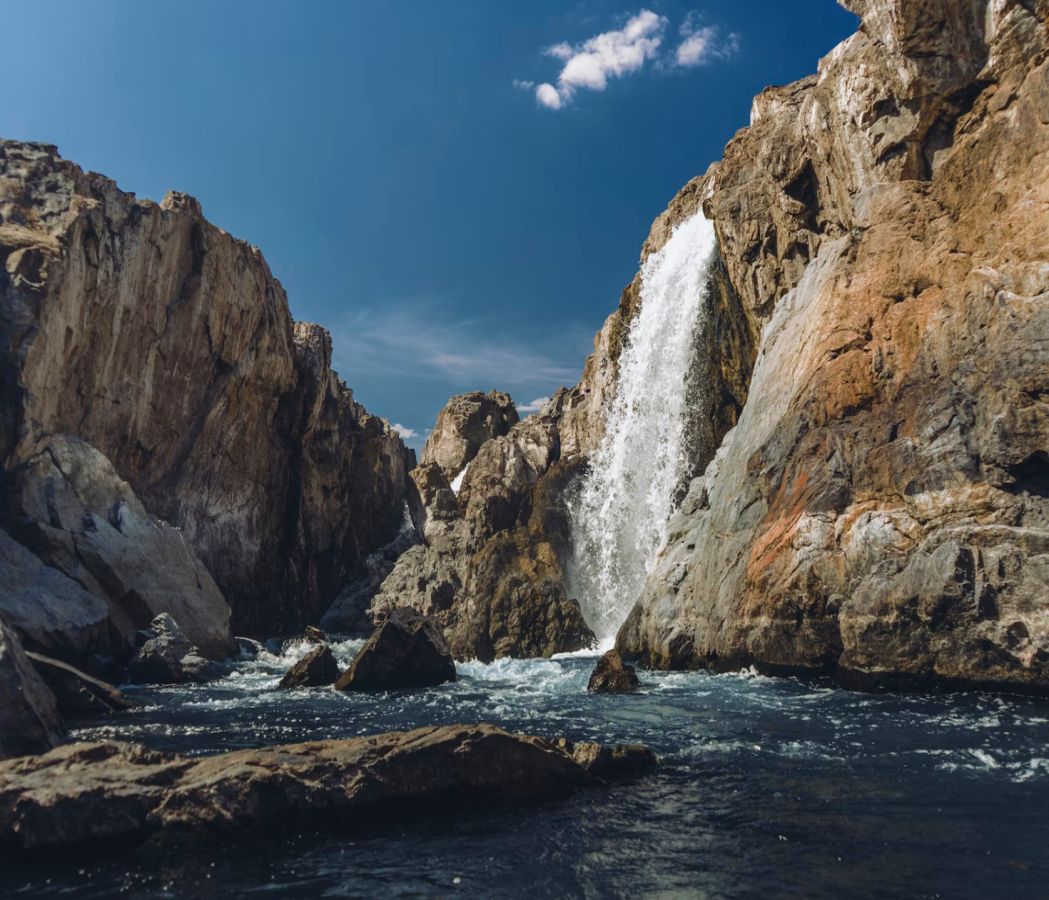
One of the most beautiful spots on this river is Hogenakkal, where the river cascades over large rocks and forms a stunning waterfall surrounded by mist. It is a very popular tourist destination and is often called the "Niagara of India".
Kallar River
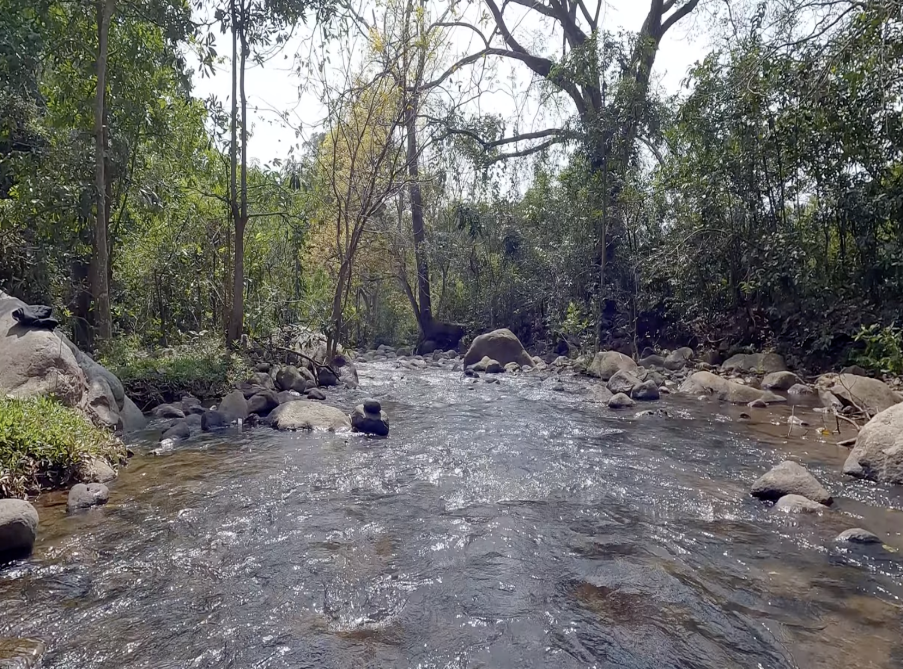
The Kallar river is a small but scenic river that flows through the Nilgiri district in the hilly region of northwestern Tamil Nadu. It originates from the upper Nilgiri plateau and descends through dense forests and tea estates before merging with the Bhavani river. The name "Kallar" means "rocky stream" in Tamil, which perfectly describes its nature — a fast-moving, rocky river that tumbles down the slopes of the Nilgiris.
The Kallar river valley is known for its breathtaking natural beauty. The area around Kallar near Mettupalayam is a popular entry point to the Nilgiri Hills, and the river flows alongside the famous Nilgiri Mountain Railway track, adding to the scenic charm of the journey. The dense forests along the Kallar river are home to elephants, leopards, and a wide variety of birds, making it an ecologically rich and important river despite its small size.
Bhavani River
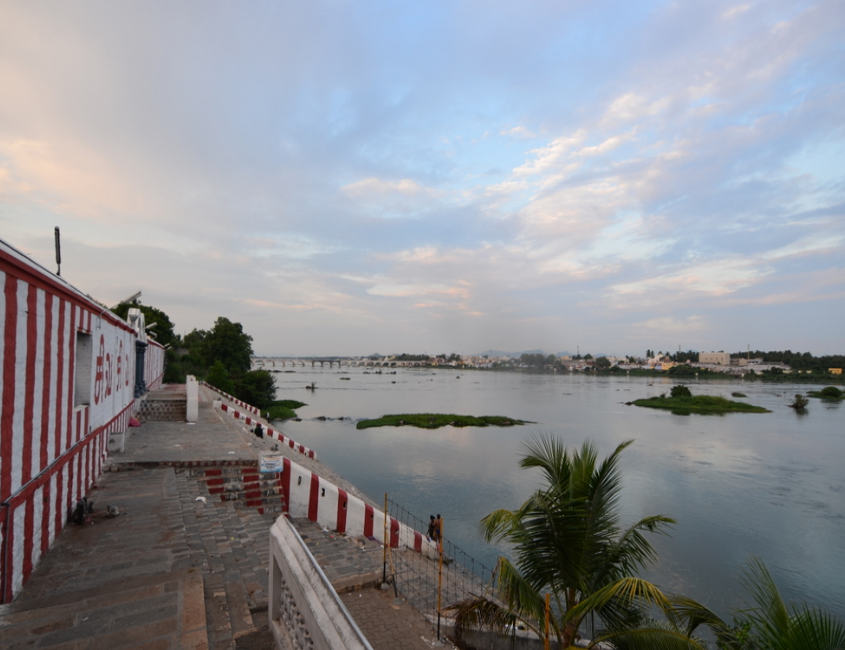
The Bhavani river is one of the most important tributaries of the Cauvery. It originates from the Nilgiri Hills and flows through the Erode district before merging with the Cauvery near the town of Bhavani. The point where the Bhavani meets the Cauvery is considered very sacred, and a famous temple called
Sangameshwarar Temple stands right at this confluence, attracting thousands of devotees every year.
The Bhavani river is also important for irrigation. The Bhavanisagar Dam, built across this river, is one of the largest earthen dams in Asia and supplies water to a large part of the Erode and Tiruppur districts. The areas around the river are known for cotton farming, and the textile industry in this region depends heavily on the water from the Bhavani.
Amaravati River
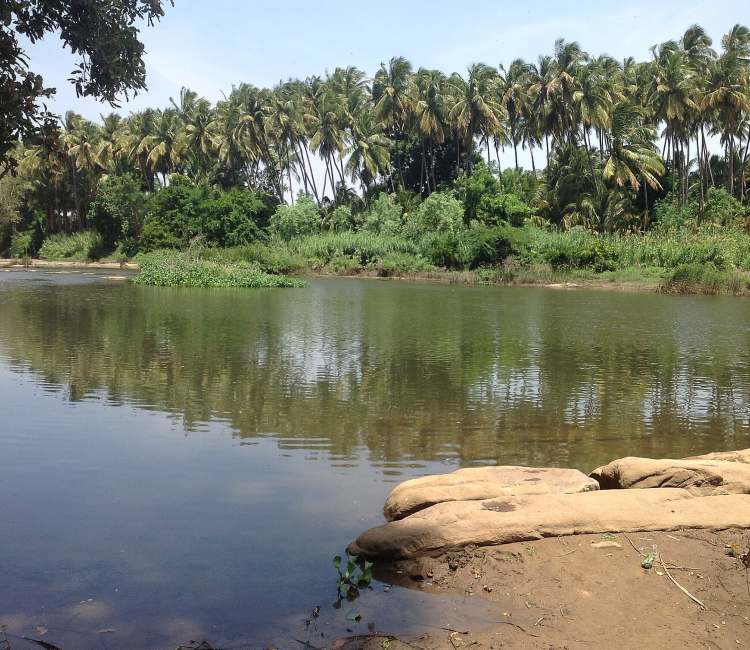
The Amaravati river is another important tributary of the Cauvery. It originates from the Anaimalai Hills in the Western Ghats and flows through the Tiruppur and Karur districts before joining the Cauvery. The river passes through some very scenic landscapes, with thick forests and rolling hills in its upper course giving way to flat agricultural plains as it moves further east.
The Amaravati Reservoir, built across this river near Udumalpet, is a key source of drinking water and irrigation for the surrounding districts. The area around the reservoir is also a well-known picnic spot, popular for its peaceful surroundings and natural beauty. The Amaravati river plays a quiet but very important role in supporting the agriculture and water needs of central Tamil Nadu.
Noyyal River
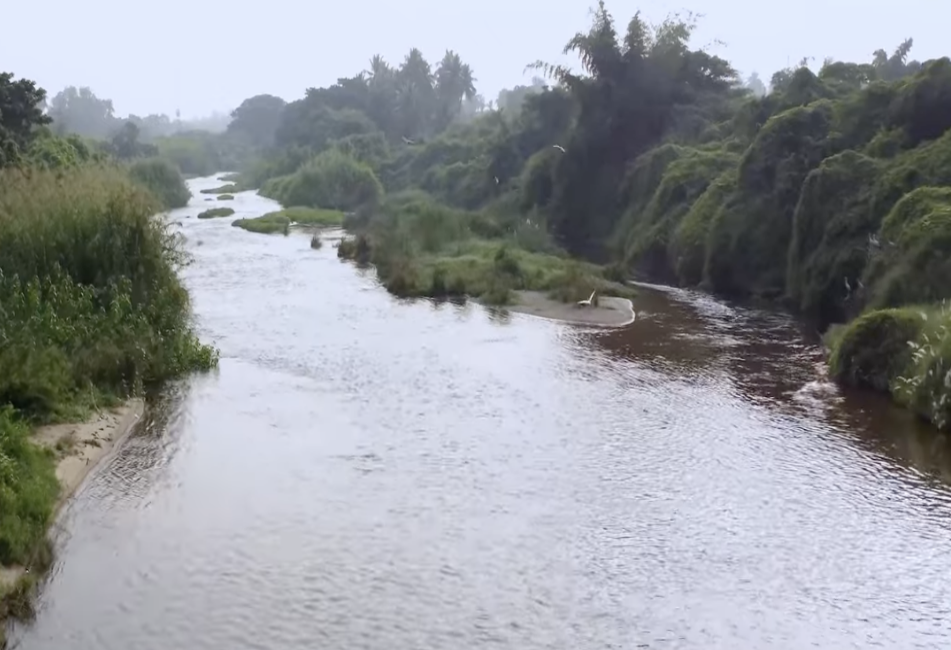
The Noyyal river is an important tributary of the Cauvery that flows through the heart of Coimbatore, one of Tamil Nadu's most industrialized cities. It originates from the Vellingiri Hills in the Western Ghats and travels through Coimbatore and Tiruppur districts before joining the Cauvery near Karur. The river passes through some of the most densely populated and commercially active parts of western Tamil Nadu.
The Noyyal has historically supported agriculture along its course, and several small reservoirs and check dams have been built across it to store water for irrigation. However, like many urban rivers, the Noyyal has faced serious pollution challenges due to industrial discharge, particularly from the textile dyeing units in Tiruppur. Efforts are ongoing to clean and restore this river, which remains an important water source for the region.
Kollidam River
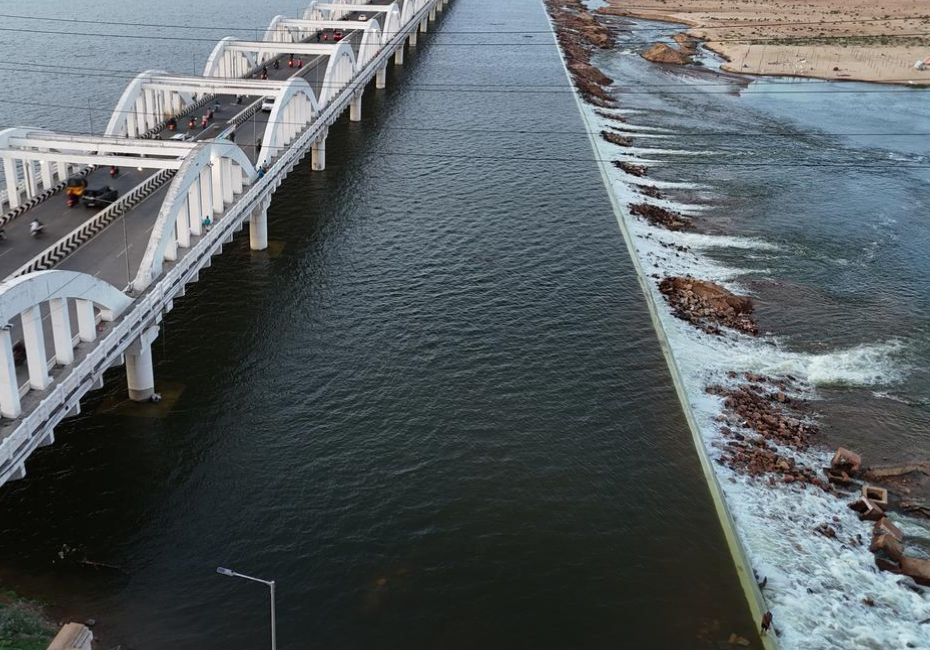
The Kollidam, also known as the Coleroon, is actually the northern branch of the Cauvery river. At Tiruchirappalli, the Cauvery splits into two channels — the southern branch continues as the Cauvery, while the northern branch becomes the Kollidam. It flows through the districts of Tiruchirappalli, Ariyalur, and Nagapattinam before reaching the Bay of Bengal.
The Kollidam is a wide and powerful river, especially during the monsoon season when it carries a huge volume of water across the delta. The famous Kallanai dam, also known as the Grand Anicut — one of the oldest water diversion structures in the world, built by the Chola king Karikalan over 2000 years ago — is located on the Cauvery just before it splits into the Kollidam. This ancient engineering marvel continues to regulate water flow into both channels even today, making it one of the most remarkable rivers in Tamil Nadu's history.
Vellar River
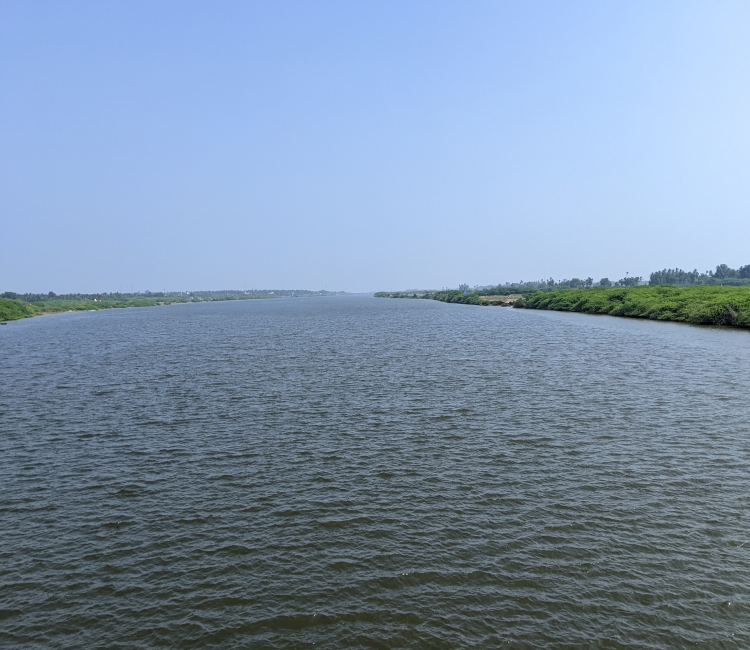
The Vellar river originates from the Eastern Ghats and flows through the districts of Salem, Villupuram, and Cuddalore before draining into the Bay of Bengal near Parangipettai. It is one of the longer rivers in Tamil Nadu and drains a significant portion of the state's eastern plains.
The Vellar basin supports a wide range of agricultural activities and provides water to several towns and villages along its course. The lower reaches of the river near Parangipettai are ecologically important, with mangrove forests along the estuary that support a rich variety of birds and aquatic life. The Vellar is a quiet river that does not attract as much attention as the Cauvery or Vaigai, but it plays a steady and important role in the ecology and agriculture of eastern Tamil Nadu.
Vaigai River
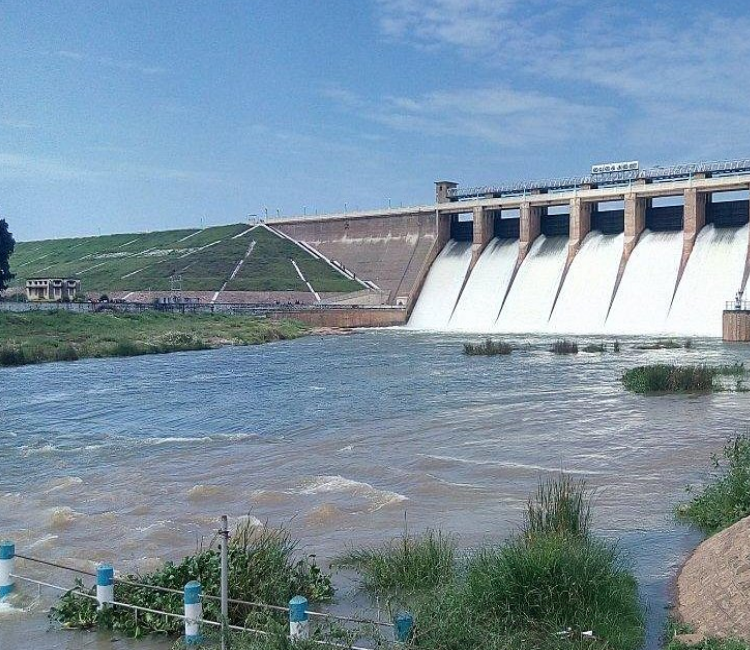
The Vaigai river flows through the heart of Madurai, one of the oldest cities in the world. It originates from the Varushanad Hills in the Western Ghats and travels through the dry plains of central Tamil Nadu before emptying into the Palk Strait.
The river holds a very special place in Tamil history and literature. Ancient Sangam poets, who lived more than 2000 years ago, wrote about the Vaigai river in their works. The famous Meenakshi Amman Temple in Madurai is located close to the river banks, making the area a center of both religious and cultural importance.
The Vaigai can be unpredictable — during the monsoon season it floods strongly, while in summer it reduces to a small stream. But through all seasons, it remains an important part of Madurai's identity.
Tamirabarani River
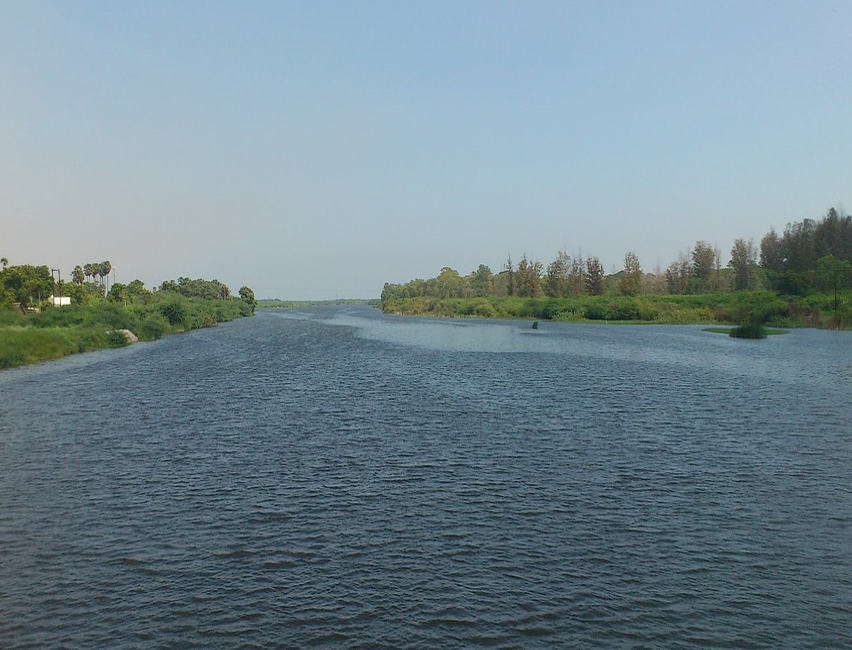
The Tamirabarani river is unique among Tamil Nadu's rivers because it flows throughout the year without drying up. It originates from the Agasthiyar Hills near Papanasam in the Western Ghats and flows through the Tirunelveli and Thoothukudi districts before reaching the sea.
The water of the Tamirabarani is known for its exceptional purity and clarity. The river supports a wide variety of agriculture in the region, including paddy, bananas, and vegetables. People in Tirunelveli often say that the famous Tirunelveli Halwa — a popular South Indian sweet — gets its unique taste from the clean water of the Tamirabarani.
Historically, this river was also known for its pearl fisheries. In ancient times, merchants from as far as Rome and Greece visited this region to trade in the precious pearls found in the river's estuary, making it one of the most internationally recognized rivers of ancient India.
Palar River
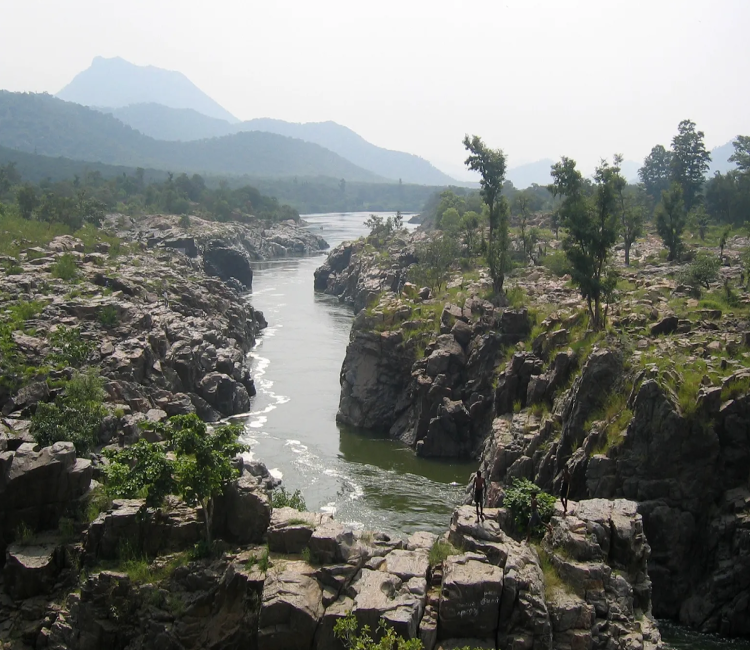
The Palar river originates in Karnataka and flows eastward through the Vellore and Ranipet districts of Tamil Nadu before draining into the Bay of Bengal near Cheyyur. What makes the Palar stand out is its unusually wide sandy riverbed. During the dry summer months, the river appears to have very little water on the surface, leading many to wonder whether it is truly a river at all.
However, beneath the sandy bed lies a rich reserve of groundwater that supports thousands of households and farms in the region. When the monsoon arrives, the Palar transforms completely, flowing wide and strong across its broad banks.
The Palar river valley is also historically significant. Many important battles between the British, the Marathas, and Hyder Ali's forces took place in this region. Today, the area is known for its leather industry, which relies on the river's water supply.
Arani River
The Arani river flows through the northern part of Tamil Nadu, passing through the Tiruvannamalai and Ranipet districts before reaching the Bay of Bengal near Arani town. It is a relatively small river compared to the Cauvery or the Palar, but it is very important for the communities living along its banks.
The river supports agriculture in the region, especially paddy and groundnut farming. The Arani area is also historically known for its silk weaving tradition, and the river has played a role in supporting the livelihoods of weavers and farmers in this part of Tamil Nadu for many generations. Though it does not make headlines often, the Arani river is a steady and dependable source of life for the people of northern Tamil Nadu.
Pennaiyar River
The Pennaiyar river, also known as the South Pennar, flows through the districts of Krishnagiri, Dharmapuri, and Villupuram in Tamil Nadu. This river does not get as much recognition as the Cauvery or the Vaigai, but it plays a very important role in sustaining life in the drier parts of the state.
The Pennaiyar does not have dramatic waterfalls or a long list of legends attached to it. It is simply a steady, dependable river that quietly provides water to the farmlands and villages along its banks. For the people living in those areas, it is no less valuable than any other river in the state.
Conclusion: Why Rivers Matter
The rivers of Tamil Nadu are much more than just sources of water. They have shaped the history, culture, agriculture, and daily life of the state for thousands of years. Ancient cities grew on their banks, great literature was written about them, and entire communities have depended on them to survive.
Today, these rivers face serious threats from pollution, encroachment, and excessive sand mining. Protecting and restoring these rivers is not just an environmental responsibility — it is a way of preserving the very heart of Tamil Nadu's heritage.
The rivers gave Tamil Nadu its life. It is time to give something back.
Check Similar blogs...

© 2025 All rights reserved. Pre Travel Booking.Com
Disclaimer: We may earn a commission from affiliate links on this page. These commissions help support our website at no extra cost to you. Rest assured, we only recommend products and services we genuinely believe in.
Designed and Developed by Apscode.com