The Bhavani River: Life, Faith and Water in Tamil Nadu
4 mins read
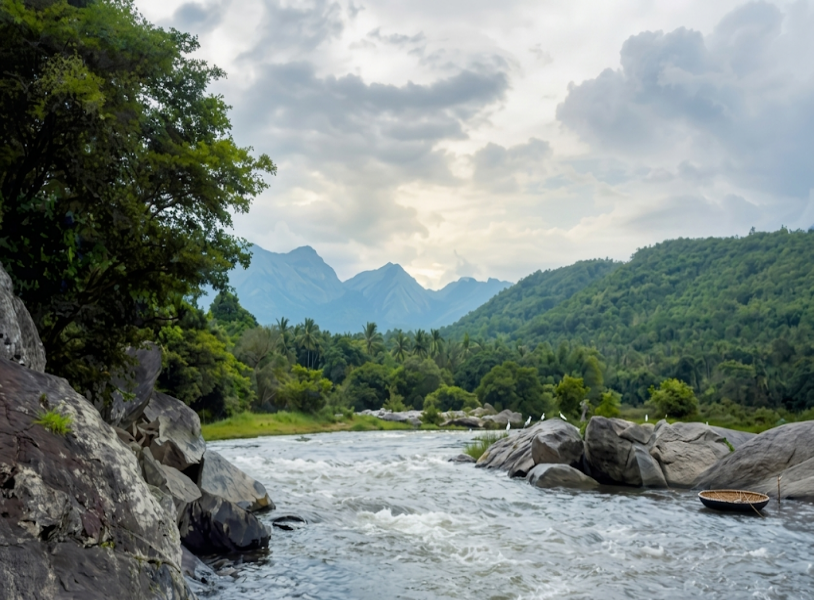
Bhavani river is not the most famous river in India. Not the one you read about in school textbooks. But ask any farmer in Erode, Tamilnadu, any fisherman near Bhavanisagar, any family in Coimbatore — and they will tell you this river is everything.
The Bhavani does not need to compete with the Ganga or the Kaveri. It has its own story. In a time when so many rivers are becoming dirty and dying, the Bhavani is still alive. And that itself is something worth writing about.
Where Does the Bhavani River Start?
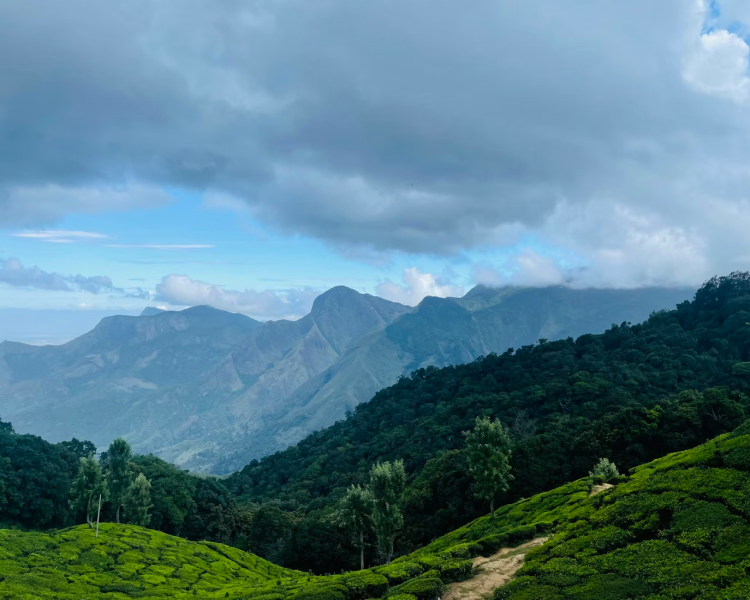
The Bhavani River starts in the Nilgiri Hills of Tamil Nadu, at a height of about 2,400 metres above sea level. The water first collects in the grasslands and shola forests of the Western Ghats — one of the most important forest areas in the entire world for plants and animals.
From there, the river comes down through forests and rocky gorges into the plains of Erode district. Its path goes through the Mudumalai Tiger Reserve and the Sathyamangalam Tiger Reserve. This means the river's starting area is home to tigers, leopards, elephants, gaur, and sloth bears. Not many rivers in India can say that.
How Long Is It and Where Does It Go?
The Bhavani River travels about 217 km in total, mostly through Tamil Nadu. It finally meets the Kaveri River near Bhavani town in Erode district. This meeting point is called a triveni sangamam — because here, the Bhavani and Kaveri are joined by a third river, the Amudha, which flows underground and cannot be seen. Hindus consider this spot very holy, similar to the Triveni Sangam at Prayagraj.
Three important rivers join the Bhavani along the way. The Moyar River comes from the forests near Masinagudi. The Kundah River starts near Ooty and drains the Nilgiri plateau. The Pykara River, also from the Nilgiris, is known for its beautiful waterfalls. Together, all these rivers cover a catchment area of around 6,000 square kilometres across Tamil Nadu, Kerala, and Karnataka.
The Dams Built on the Bhavani
Because the river comes down from high hills, engineers built several dams to store water for drinking and farming.
Pillur Dam
This dam is built on the upper part of the Bhavani, near Mettupalayam. Its main job is to supply drinking water to Coimbatore city, which has a population of nearly 30 lakhs. Without Pillur, Coimbatore would face a very serious water problem.
Bhavanisagar Dam
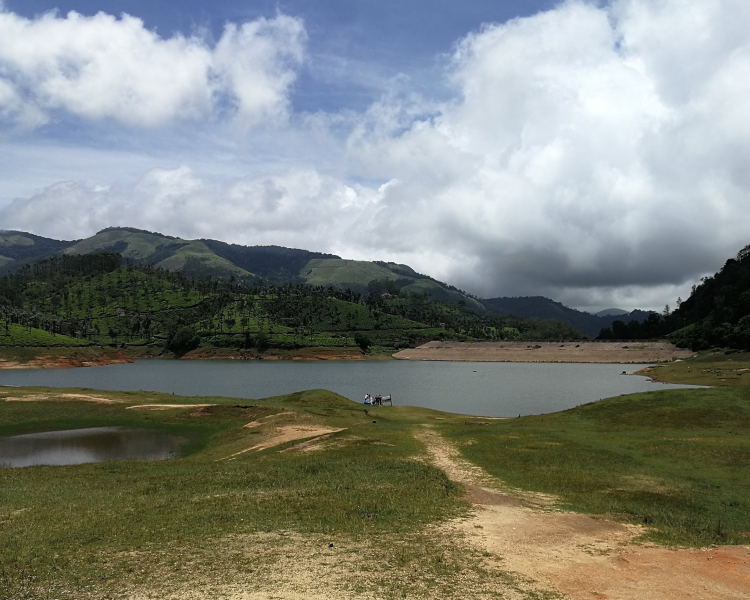
This is the big one. Completed in 1955, Bhavanisagar Dam is one of the largest earthen dams in all of Asia. It is located in Erode district, about 50 km before the river meets the Kaveri. The water stored here is used to irrigate more than 1.6 lakh hectares of farmland across Erode, Tiruppur, and Coimbatore districts. When the reservoir is full — usually between October and January — it looks absolutely beautiful. Wide, calm water with green hills all around.
Avalanche and Emerald Dams
These are smaller dams higher up in the Nilgiris, near Ooty. They serve the hill towns and tea estates. Their water eventually drains into the Kundah River and then into the Bhavani.
Animals and Birds of the Bhavani Region
The forests around the upper Bhavani are full of wildlife. The Sathyamangalam Tiger Reserve, which the river passes through, has become one of India's best conservation success stories. Tiger numbers here have more than doubled in the last ten years.
As the river comes down and the forests change from evergreen to dry, the birdlife also changes. In the upper forests you can spot Malabar Trogon and Indian Pitta. In the lower plains, river terns and Indian skimmers fly over the water.
Some animals closely connected to the Bhavani:
- Indian Elephant — large herds cross the river and use it as a drinking source
- Gaur (Indian Bison) — often seen near the water in early mornings
- Mugger Crocodile — found near Bhavanisagar in certain stretches
- Golden Mahseer — a large and beautiful freshwater fish that was nearly wiped out; conservation work has helped it come back
Why Is the Bhavani River Sacred?
The name Bhavani itself is one of the names of Goddess Parvati — it means "giver of life." The river is seen as holy all along its length, and many old temples line its banks.
The most important one is the Bhavani Sangameshwarar Temple in Bhavani town, right at the spot where the three rivers meet. Thousands of pilgrims come here during festivals like Mahasivarathri and Thai Poosam. They take a holy dip believing it removes their sins, the same way people do at Prayagraj.
The Bhavani also finds a place in ancient Sangam Tamil literature — poetry written roughly between 300 BCE and 300 CE. In those poems, rivers and their banks were used to express emotions and describe love. The Bhavani was part of that world.
Farming: The River That Feeds Crores
The Bhavani basin is the farming heart of western Tamil Nadu. The canal system from Bhavanisagar Dam runs for hundreds of kilometres and brings water to:
- Paddy fields in Erode and Karur districts
- Sugarcane farms in Erode — one of Tamil Nadu's biggest sugarcane areas
- Banana and vegetable gardens in the lower basin
- Cotton fields on the edges of Tiruppur district
This whole region is called Kongu Nadu. The people here have farmed this land for generations, and it is the Bhavani that has made it possible.
Problems the River is Facing
Like most rivers in India today, the Bhavani is under pressure from several sides.
Pollution from factories: Tiruppur is famous all over the world for its knitwear and garment industry. But for many years, dyeing and bleaching units were releasing untreated chemicals into the river. The water turned colours. Fish died. Farmers found they could not use it. Court cases were filed, and the Madras High Court ordered hundreds of units to either treat their waste or shut down. Things have improved, but the threat is not fully gone.
Illegal sand mining: People take sand from the riverbed to use in construction. When too much sand is removed, the river's shape changes, groundwater gets affected, and the banks start to collapse.
Encroachment: Farms and buildings are coming closer and closer to the riverbanks, removing the natural buffer that keeps the river clean and controlled.
Climate change: Rainfall patterns in the Nilgiris are changing. The shola grasslands that act like a sponge — slowly releasing water throughout the year — are being invaded by wattle trees, a species brought by the British. This affects how much water flows into the river even during dry months.
What is Being Done to Protect the Bhavani
Some good work has happened and continues to happen:
- The Madras High Court's orders in the early 2000s forced Tiruppur's industries to set up proper effluent treatment. Water quality improved noticeably after that.
- The Sathyamangalam Tiger Reserve has been expanded, which protects the forests through which the river flows.
- Fishing communities and wildlife NGOs have run mahseer breeding programmes in the upper river.
- Some farmers in the Nilgiris are moving to organic farming, which means fewer pesticides reaching the water.
There is still a lot more to do, but the river has people fighting for it.
Places to Visit Near the Bhavani River
If you want to see this river and the area around it, here are some good places:
Bhavanisagar Dam — Go between October and January when the reservoir is full. You can take coracle rides (small round boats made of bamboo and plastic) on the water. The surroundings are peaceful and green.
Bhavani Town — A small, calm pilgrimage town. Wake up early and walk to the sangamam at dawn. Watching two rivers meet in morning mist is something you will not forget.
Mudumalai and Sathyamangalam — For wildlife. Take a jeep safari and you may see elephants, gaur, and if you are lucky, a tiger. The river runs through these forests.
Hogenakkal Falls — Technically on the Kaveri River just after it receives the Bhavani, this is one of South India's most popular waterfalls. Best visited after monsoon when the water is full and crashing loudly over the rocks.
Conclusion
The Bhavani River does not make news very often. It does not have a Kumbh Mela or a famous ghaat. It is just there — every single day — giving water to cities, keeping farmers alive, sheltering tigers and elephants, and receiving the prayers of ordinary people.
That is what a truly important river looks like. Not loud. Not celebrated on every channel. Just quietly doing its job, for everyone, every day.
If you live in Coimbatore, Erode, or Tiruppur — the water in your tap, the rice on your plate, the cotton in your shirt — some part of it came from the Bhavani. It deserves to be known. And it deserves to be protected.
Check Similar blogs...

© 2025 All rights reserved. Pre Travel Booking.Com
Disclaimer: We may earn a commission from affiliate links on this page. These commissions help support our website at no extra cost to you. Rest assured, we only recommend products and services we genuinely believe in.
Designed and Developed by Apscode.com